
The music industry has changed dramatically in the past two decades. While streaming dominates how audiences consume music, album sales remain an important revenue source. Beyond streaming royalties, tribulation band members and other artists have multiple avenues to earn money from their albums. Understanding these streams provides insight into the economics of music and the business strategies artists use to ensure financial success.
Album Sales and Physical Copies
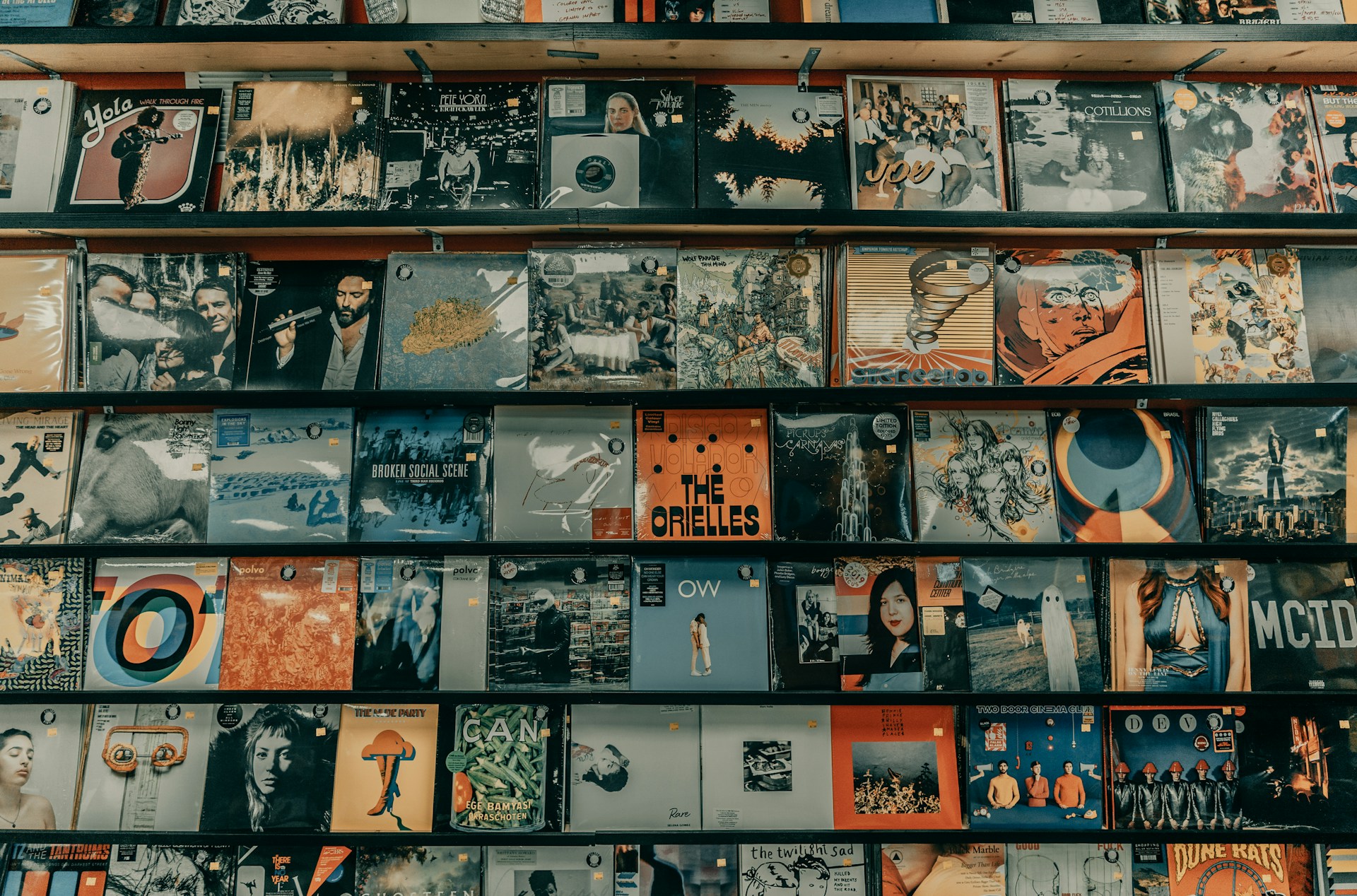
 Physical album sales, such as CDs, vinyl, and special editions, continue to provide income. Collectors and loyal fans often prefer tangible items, which can carry higher price points than digital streams. Limited editions, signed copies, and deluxe packages create additional value. These sales are not only revenue-generating but also reinforce the artist’s brand and connection with fans.
Merchandise Tie-Ins
Albums can be linked to merchandise, creating a unique way for fans to engage. T-shirts, posters, and themed collectibles connected to an album increase revenue while enhancing fan loyalty. Merchandise often carries higher profit margins than album sales alone. Bundling albums with exclusive merchandise ensures that fans get a tangible connection to the music and support the artist financially.
Tours and Live Performances
Tours are one of the most significant revenue streams for artists. Album releases often coincide with concert tours, driving ticket sales. Live performances allow artists to capitalize on the album’s popularity, sell merchandise, and provide memorable experiences. Even in the streaming era, concerts remain a unique way for fans to engage and for artists to earn substantial income.
Digital Downloads and Direct Sales

While streaming provides small per-stream payouts, direct digital sales offer better margins. Platforms like iTunes or Bandcamp allow fans to purchase albums outright. Direct sales often result in higher earnings per unit compared to streaming. Some artists also sell albums through their websites, which reduces intermediaries and ensures more income remains with the creator.
License and Synchronization Deals
Licensing songs for movies, TV shows, commercials, or video games generates another revenue source. Synchronization deals can provide substantial upfront payments and ongoing royalties. Albums with hit singles often attract these opportunities, adding financial value beyond direct sales or streaming. Licensing also expands exposure, helping build a larger fan base and long-term revenue potential.
Publish Rights and Royalties
Publishing rights are a vital part of album economics. Songwriters earn royalties whenever their music is played, performed publicly, or used commercially. Artists who own or co-own publishing rights retain more control and income. Properly managing these rights ensures long-term revenue and financial security, even years after the album’s release.
Brand Partnerships and Endorsements
Albums can also serve as platforms for brand partnerships. Companies often collaborate with artists on campaigns, sponsorships, or product endorsements linked to an album launch. These partnerships provide additional income and marketing exposure. When done carefully, such collaborations enhance the artist’s image without compromising authenticity.
The Role of Strategic Marketing

Marketing plays a crucial role in maximizing album revenue. A well-executed campaign ensures that fans are aware of all available formats, merchandise bundles, and touring opportunities. Social media, influencer promotion, and media appearances amplify reach. Strategic marketing ensures that an album’s economic potential is fully realized, providing financial benefits well beyond streaming numbers alone.
The economics of music albums extend far beyond streaming royalties. Physical sales, digital downloads, merchandise, tours, licensing, publishing rights, and brand partnerships all contribute to an artist’s income. Each revenue stream offers unique opportunities and requires careful planning to maximize potential. While streaming dominates current music consumption, a multi-faceted approach ensures that artists can sustain their careers and profit from their work. By understanding and leveraging these avenues, artists maintain financial stability while building a lasting connection with fans. The music industry may continue to evolve, but the financial impact of well-managed albums remains significant and rewarding.